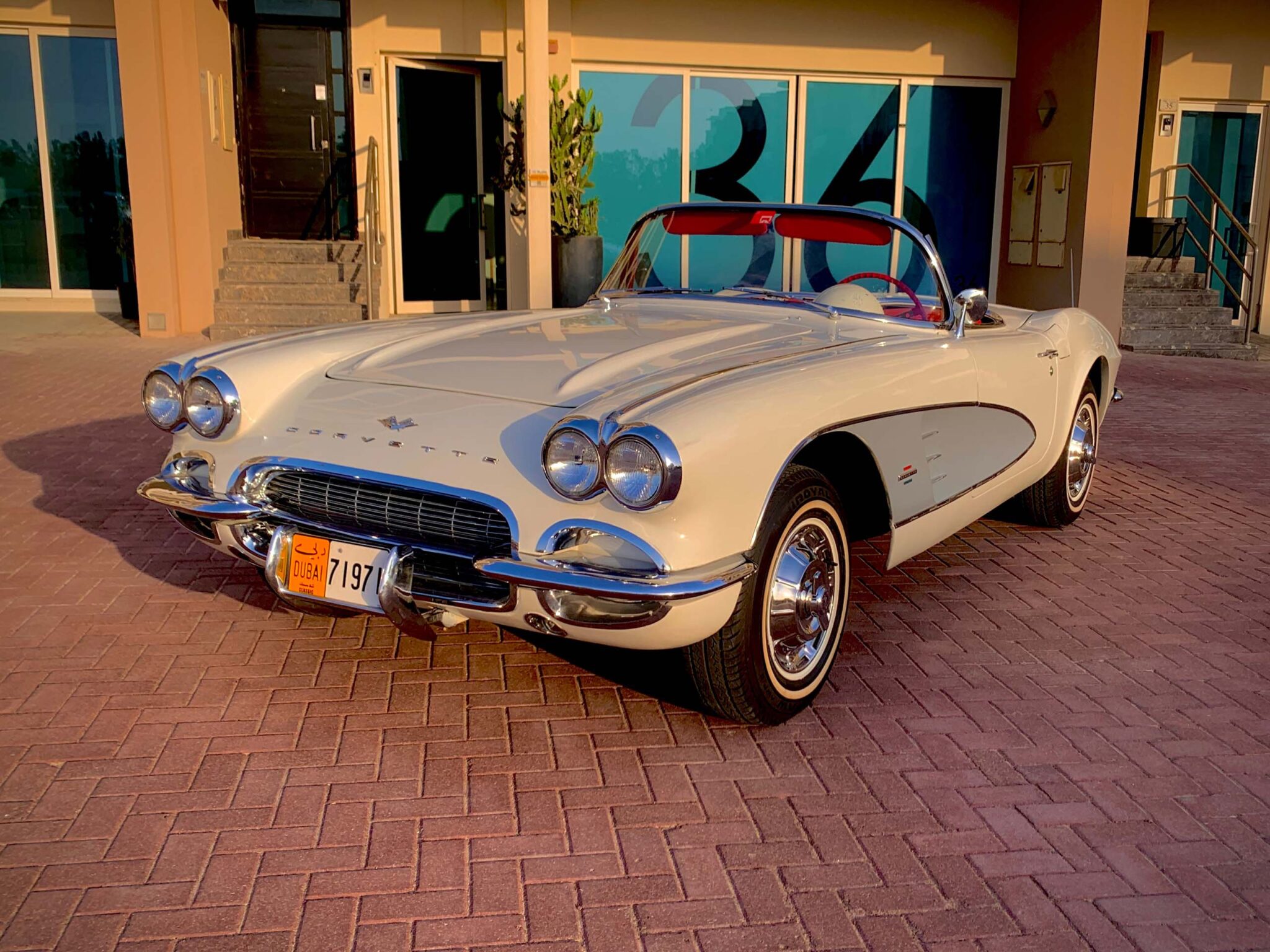
1. Choose the Right Car — Then Assess the Car, Not the Advertisement
Before searching, decide what matters to you. Do you want an original collector car? A weekend driver? A restored car? A project? A restomod? Something you can modify without worrying about destroying its originality? Two apparently identical classics can therefore be completely different purchases. A matching-numbers example may command a substantial premium because of its originality. That premium may be completely wasted on a buyer planning an engine swap, modern air conditioning and upgraded suspension.
Conversely, modifications that make one car a wonderful driver may make another less desirable to a serious collector. There is no universally “best” classic. There is only the car that best suits why you are buying it.
Once you find a candidate, however, forget the romance for a moment and start looking at the evidence. A beautifully photographed classic can still be a terrible car. Paint can hide previous repairs. Undercoating can conceal corrosion. Strategic photography can avoid damaged trim, poor panel gaps or bubbling bodywork. And photographs tell you almost nothing about how a car actually drives. Ask for additional photographs of known problem areas for that particular model, including the underside where possible. Ask for a cold-start video, not merely footage of an engine already running happily at operating temperature.
Useful evidence can include:
- underside and structural areas
- engine bay
- cold start and warm idle
- exhaust while running
- dashboard and gauges
- operation of electrical equipment
- transmission engagement
- driving footage
- VIN or chassis identification
- engine numbers where originality matters
Also pay attention to what the advertisement doesn’t show. Twenty beautiful photographs and not one image underneath the car should prompt a question. Words such as “restored” should also be treated carefully. There is no universal standard for what that word means. One seller may be describing new paint, upholstery and mechanical servicing; another may be describing a genuine body-off restoration involving thousands of hours.
Ask who restored it, when the work was done, how corrosion was repaired, whether restoration photographs exist and whether invoices are available. The quality of the work matters more than the label. A well-executed restoration completed 15 years ago may be a much better car than a poor restoration completed six months ago.
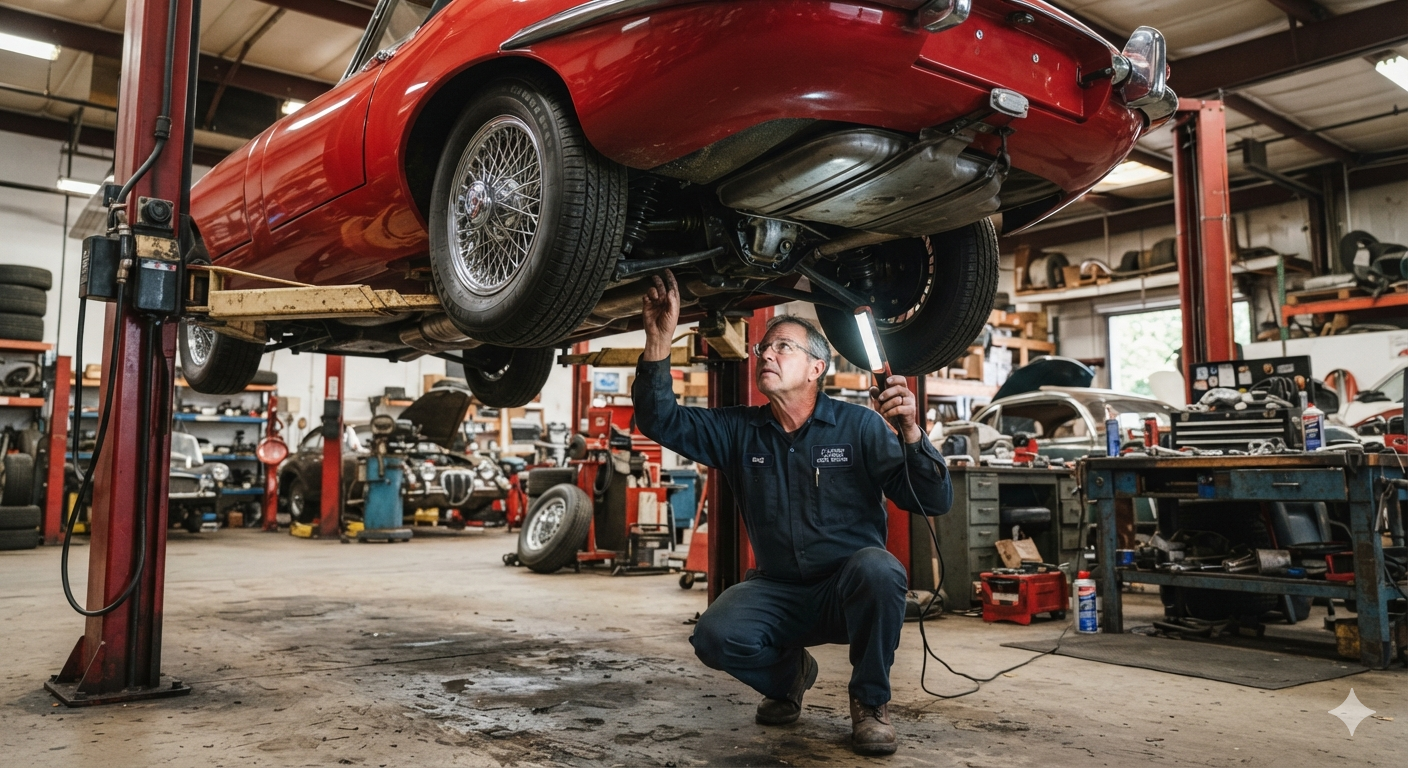
A good inspection looks beyond the photographs. Structural condition, corrosion, previous repairs and the underside of the car can tell a very different story.
2. Reduce the Unknowns Before You Commit
Treat photographs and seller descriptions as evidence, not proof. For a valuable car thousands of kilometers away, an independent pre-purchase inspection can be money very well spent. A suitable inspection may examine the structure, corrosion, previous repairs, chassis, suspension, brakes, steering, drivetrain, cooling system, electrical equipment, tyres, interior and identification numbers. Where practical, the car should also be driven.
But understand the limitation. A pre-purchase inspection is normally non-invasive. An inspector cannot see inside an engine or necessarily discover corrosion hidden behind filler, paint or inaccessible panels. A PPI therefore reduces uncertainty. It does not eliminate it. Where possible, use somebody familiar with the type of vehicle being inspected.
The car’s identity and documentation also matter. A classic has two identities: the physical car and the documentary car. Both need to make sense. Check the VIN or chassis identification against the available ownership documentation and investigate inconsistencies before committing.
US export procedures also need to be considered before the car reaches the port. U.S. Customs and Border Protection requires the applicable documentation for used self-propelled vehicles to be submitted before export, with the relevant export process generally requiring submission at least 72 hours before export. That illustrates an important point: Buying the car and successfully exporting the car are two different stages of the transaction.
CLASSICS R US INSIGHT: An overseas purchase will never be completely risk-free. The objective is not to pretend that every unknown can be eliminated. It is to identify what you know, what you do not know, and which unanswered questions matter enough to investigate before you commit.
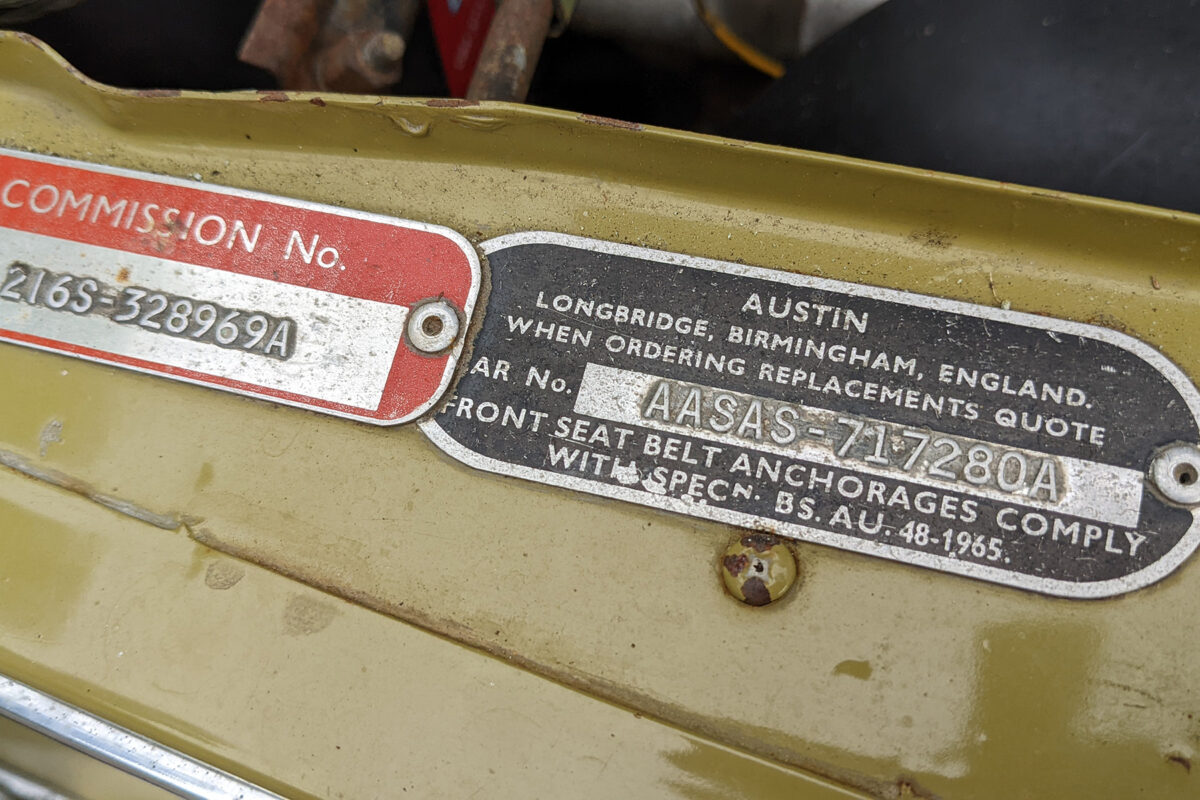
The physical car and the documentary car need to tell the same story. Identification and ownership documentation should be checked before the vehicle begins its journey.
3. Understand the Real Cost and the Journey to the UAE
A USD 25,000 car in America does not cost USD 25,000 in Dubai. The number that matters is the complete landed cost.
Depending on the transaction, that may include:
- vehicle purchase price
- inland transport in the United States
- export and handling costs
- ocean freight
- insurance where applicable
- UAE customs and applicable taxes
- port and clearance charges
- local transport and delivery
Geography matters as well. America is enormous. A car sitting conveniently near an export facility can have a very different logistics cost from one sitting hundreds or thousands of kilometers inland. Dubai Customs currently states that imported vehicles are evaluated and inspected and that customs duty is levied at 5% of the vehicle’s assessed value. Notice the important words: assessed value. Do not assume that Customs must simply accept whatever figure appears on a bill of sale.
This is also why comparing a US advertisement directly with the asking price of a car already in the UAE can be misleading. The meaningful comparison is: Local UAE market price versus complete landed UAE cost. Once purchased, the physical journey may therefore look like this:
Seller → inland transporter → export facility → US port → vessel → UAE port → customs clearance → final delivery.
And don’t confuse ocean transit time with total delivery time. Collection, inland transport, export processing, vessel schedules, transshipment where applicable, port handling and UAE clearance all add time. A quotation saying a voyage takes approximately a month does not necessarily mean the car will be sitting outside your house a month after you pay for it.
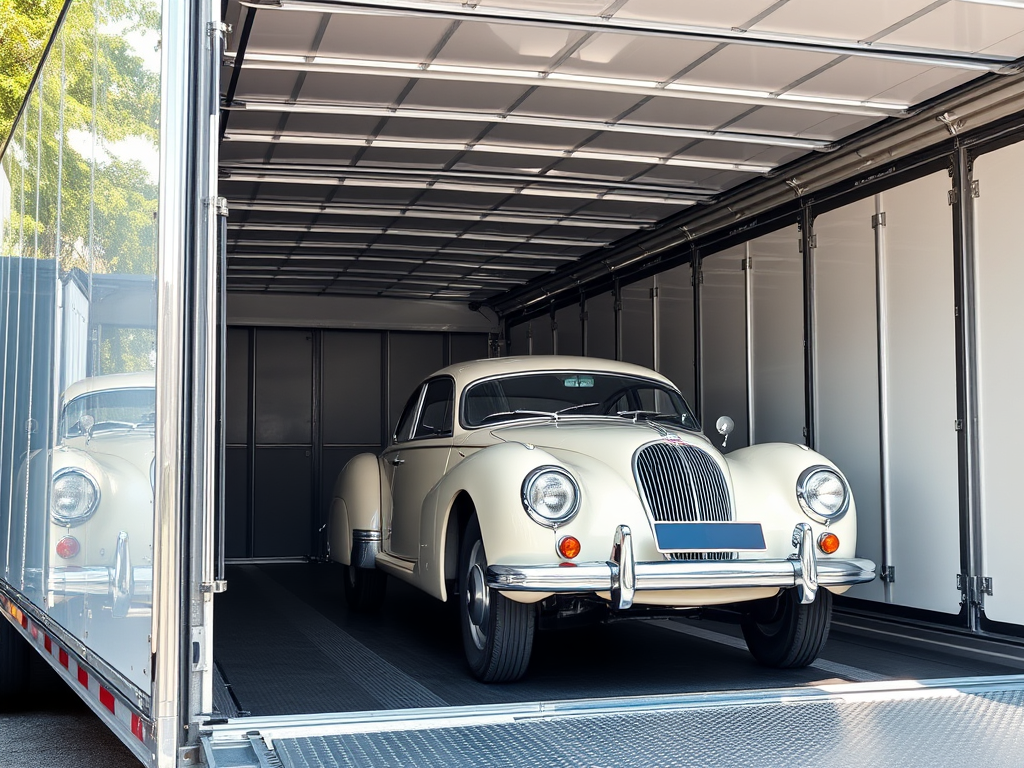
The purchase is only one stage of the journey. Inland transport, export processing, ocean freight, UAE customs clearance and final delivery all form part of the real landed cost.
4. From Purchase to UAE Registration
Importing a classic and registering it are not the same thing. This distinction catches buyers out. A vehicle successfully entering the UAE does not automatically mean it is ready to receive number plates and be driven.
For Dubai, RTA currently treats a vehicle 30 years old or more as a classical vehicle for its classical-vehicle inspection process. Its published safety requirements include matters such as structural condition, suitable tires, functioning internal components, braking and lighting systems, and proper engine operation without relevant fuel, lubricant or coolant leaks. An imported project car may therefore be a perfectly sensible purchase while still requiring considerable work before it can be registered for road use.
Think of the complete process as separate stages:
1. Choose the right car.
2. Assess its condition and documentation.
3. Arrange an independent inspection where appropriate.
4. Purchase and collect the vehicle.
5. Complete the US export process.
6. Ship the vehicle to the UAE.
7. Complete UAE customs and clearance formalities.
8. Repair, service or prepare the vehicle where necessary.
9. Complete the applicable inspection and registration process.
That final preparation stage should not be underestimated. Even a good classic may require attention after arrival. Old tires can look new. Rubber deteriorates. Batteries fail. Cooling systems reveal weaknesses. Old electrical connections develop personalities of their own.
The UAE environment can also expose weaknesses that were irrelevant to an owner using the car occasionally in a cooler climate. Air conditioning described overseas as “working” may bear little resemblance to what somebody living through a UAE summer considers working. So don’t spend every dirham of your budget acquiring the car. Keep a sensible post-arrival reserve for servicing, repairs and making the vehicle suitable for how you intend to use it.
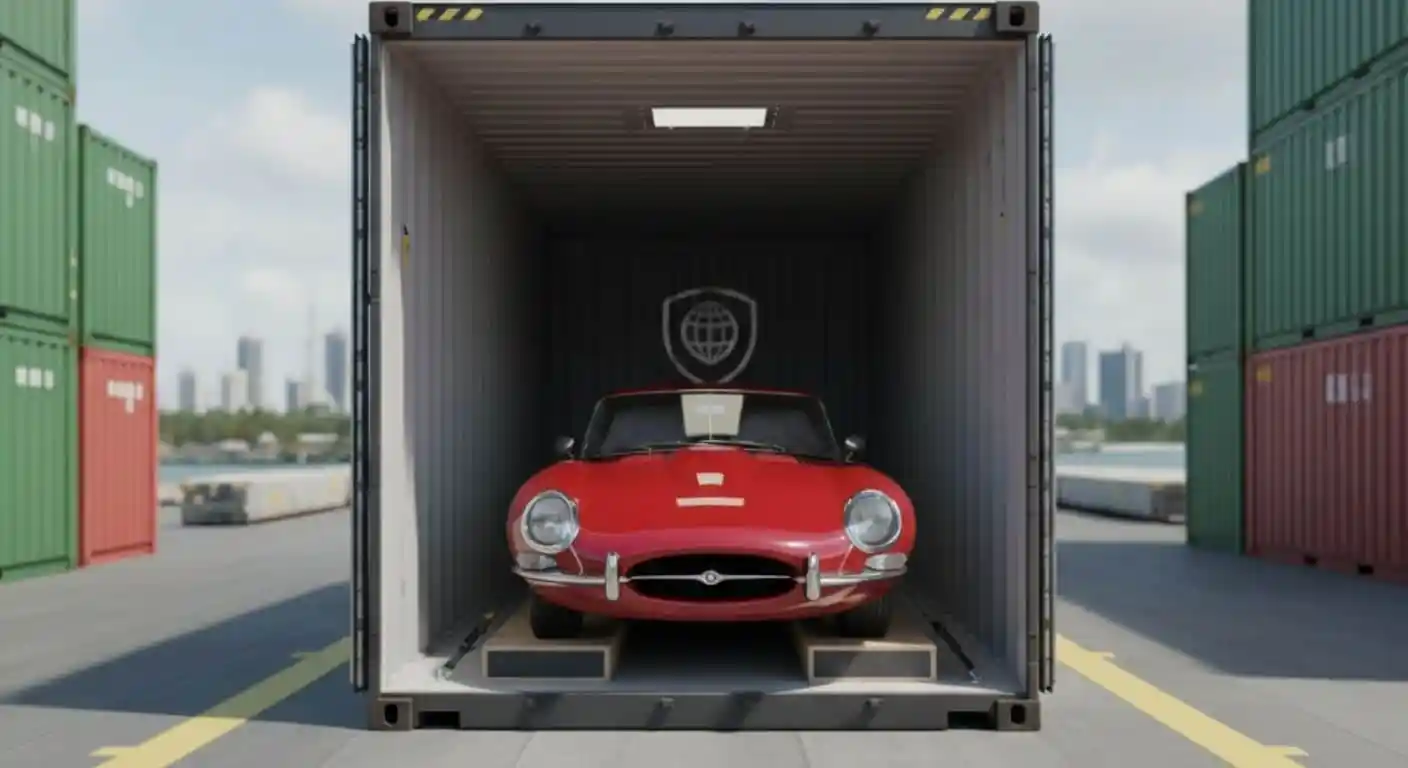
Arrival in the UAE is an important milestone, but an imported classic may still need servicing, repairs or preparation before inspection, registration and regular road use.
Before You Buy: 10 Questions Worth Answering
Before committing to a classic overseas, ask yourself:
1. Why do I want this particular example?
2. What do I actually know about its condition?
3. Which claims are independently supported and which come solely from the seller?
4. Have I seen the underside and known problem areas?
5. Does the vehicle’s identity correspond with its documentation?
6. Would an independent inspection materially reduce my uncertainty?
7. What is the complete landed cost in the UAE?
8. What work am I likely to need after arrival?
9. What may be required before registration?
10. If new information reveals a bad car, am I genuinely prepared to walk away?
If several answers are “I don’t know,” you’re probably not ready to buy yet. And that’s perfectly fine. Finding another car is considerably cheaper than discovering the answers after the first one has crossed an ocean.
Conclusion
So, is buying a classic from the US worth it? It certainly can be. The American market gives UAE enthusiasts access to an extraordinary variety of cars that simply cannot be replicated locally. But a successful overseas purchase isn’t simply about finding a desirable car at an attractive asking price. It is about understanding what you’re buying, what you don’t know, what it will really cost and what needs to happen before that car is sitting in your garage. And perhaps most importantly, know when to walk away.
Once you find the right model in the right color, watch the videos and imagine it sitting in your garage, you begin psychologically owning it. That is when objective judgement becomes difficult. Walk away if important questions remain unanswered. Walk away if an inspection fundamentally changes your understanding of the car. And walk away when you find yourself working harder to justify the purchase than evaluate it. There will be another car! Even when it doesn’t feel like there will be.
CLASSICS R US INSIGHT: The best overseas purchase isn’t necessarily the cheapest car, the rarest car or even the car in the best apparent condition. It is the one where what you thought you were buying before you paid is as close as possible to what eventually arrives. Reducing that gap is what good due diligence is really about.
If you are considering buying a classic from overseas and would like to discuss the car before making a decision, contact Classics R Us by phone or WhatsApp. Send us the listing — or simply tell us what you are looking for — and we will tell you what we know, what we do not know, and what we think should be checked before you proceed.
IMPORTANT INFORMATION: Information in this Guide reflects requirements available in August 2026. Import, customs, tax, shipping and registration requirements can change and may vary according to the vehicle and transaction. Buyers should confirm the requirements applicable to their particular purchase.